Slavery past present: Dutch slavery and colonialism and their present-day impact
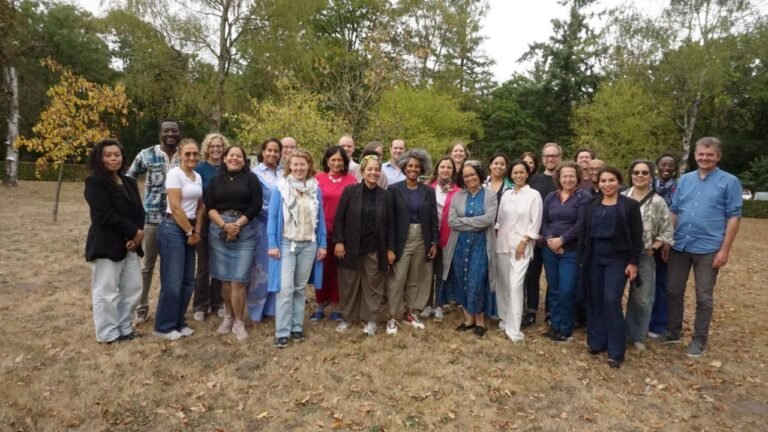
Dr. Sadiah Boonstra is part of a newly funded research project under the NWA programme (Dutch Research Agenda), examining the ongoing effects of Dutch slavery and colonialism. 'Slavery past present: Dutch slavery and colonialism and their present-day impact' brings together an international consortium of researchers, cultural practitioners, and institutions working across different disciplines.
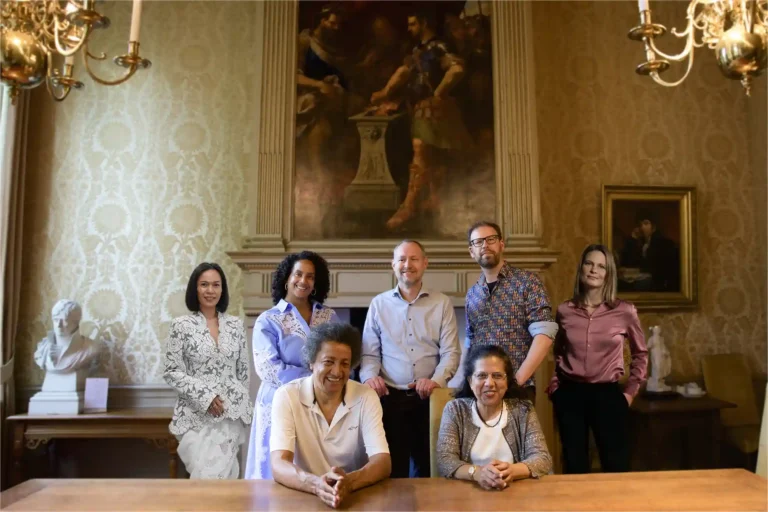
Dr. Sadiah Boonstra Joins International Consortium Investigating the Colonial Past of the Royal Netherlands Academy of Arts and Sciences

On 30 July 2025, the Royal Netherlands Academy of Arts and Sciences announced the appointment of the interdisciplinary consortium “Koloniale Macht en Kennis” (Colonial Power and Knowledge) to investigate the Academy’s colonial past and its ongoing legacies. Led by historian of science Laurens de Rooy, the consortium brings together researchers and practitioners from across disciplines, including Dr Sadiah Boonstra, who contributes her expertise in cultural history, decoloniality, and heritage practices through CultureLab Consultancy.

Beyond decolonisation?

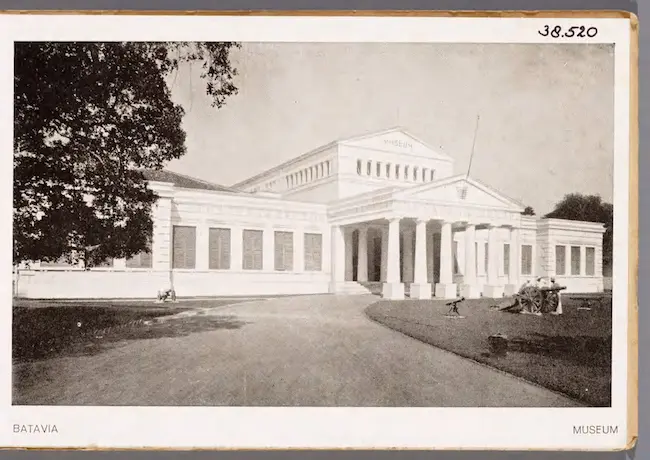
In 1778 the Bataviaasch Genootschap voor Kunsten en Wetenschappen or Batavian Society of Arts and Sciences was established in Batavia, now Jakarta. The exclusively male Board of Directors, was selected from among the officials of the colonial government and the Dutch East Indies Company (VOC). Ninety years later, in 1868, the Society opened the Batavia Museum to visitors by appointment only. The historian Katharine McGregor observes that it is unclear whether Indonesians had access to the museum or if access was reserved exclusively to Europeans. The museum had more or less the same function as its colonial counterparts in the Netherlands: to showcase the riches of the colony.

1965 Today, 56 years after the Indonesian massacres

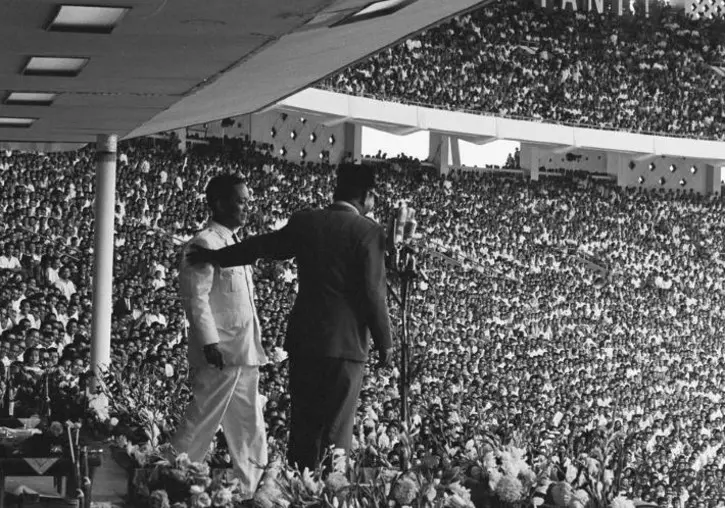
What to do with the dark pages of our history? Over 20 years after the fall of Suharto in 1998, the urgency to revisit the discourse of the anti-communist massacres of 1965-66 continues to exist even though space and freedom has opened up for victims to come forward with their stories.

Exhibited as Losers

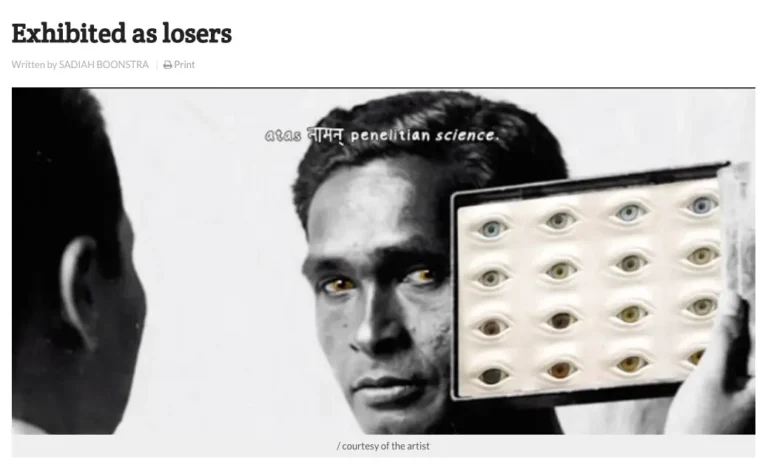
A timelapse video of a sprouting red bean is accompanied by an Indonesian language voiceover delivered in a soft, fairytale voice : ‘This is about how humans are born, live and die returning to soil. And for the unfortunate ones, to be dug up again before their time to be exhibited to the world as the losers,’ says the narrator with more than a hint of sarcasm.