Gevangen: Indonesische dekoloniale denkers in vertaling
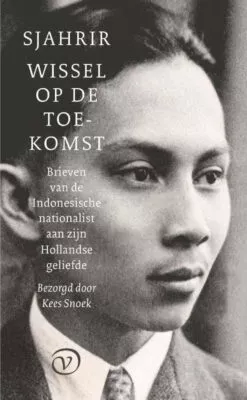
De gedeelde Nederlands-Indonesische geschiedenis houdt de gemoederen flink bezig. Daarbij is te merken dat Nederlandse uitgevers zich meer en meer inspannen om naast (nieuwe) Nederlandse inzichten, interpretaties en perspectieven ook Indonesische te laten klinken. Dat resulteerde afgelopen jaar onder meer in een uitgave van de privébrieven van de eerste premier van Indonesië en in heruitgaven van de beroemde romans van Pramoedya Ananta Toer.
Over de de/kolonialiteit van Kebun Raya Bogor, museumobjecten en hedendaagse Indonesische kunst

Op 10 maart 2020, de eerste dag van het staatsbezoek aan Indonesië, droeg koning Willem-Alexander in de botanische tuinen in Bogor (het voormalige koloniale Buitenzorg), de Kebun Raya Bogor, de keris (rituele dolk) van de Indonesische verzetsheld prins Diponegoro (1785-1855) over aan president Joko Widodo. De keris was bijna twee eeuwen onvindbaar geweest in een Nederlandse museumcollectie. Dat uitgerekend de botanische tuinen in Bogor werden uitgekozen voor de teruggave van een belangrijk voorwerp van een Indonesische held zegt veel over de betekenis van Kebun Raya Bogor. De tuinen zijn een plek waar geschiedenis, kennis en museumobjecten samenkomen met imperialistische politiek, economie en de esthetiek van planten.

Exhibition Review:”Stories Across Crossing Lands”

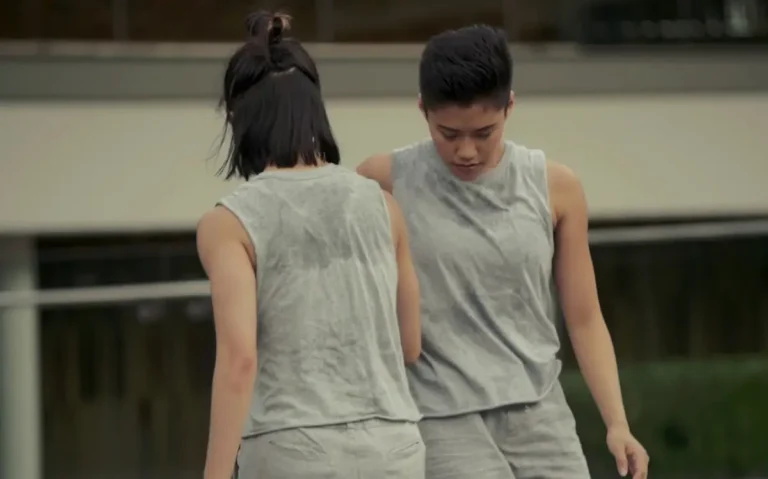
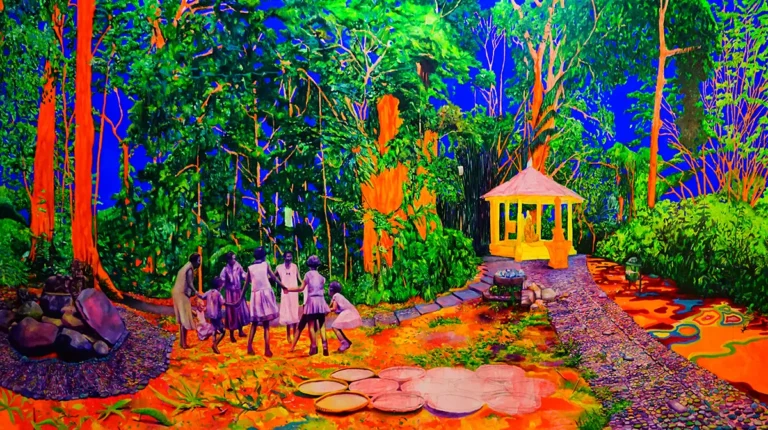
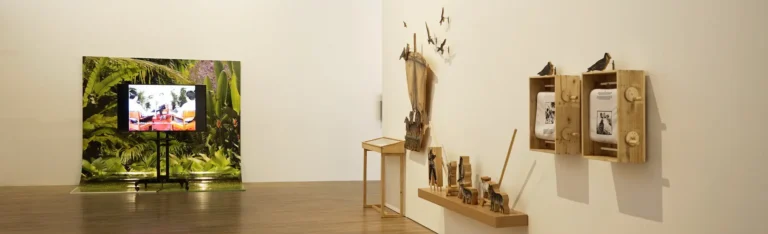
Aptly titled, Stories Across Rising Lands offers a variety of artist perspectives on the historical and geographical diversity of Southeast Asia. As Museum MACAN’s first-time ever collaboration with an external curator Jeong-ok Jeon, a long-time Jakarta-based curator originating from Korea, the exhibition provides a balanced geographical and topical spread. Eight artists and one artist duo offer unique, historically, socially, politically specific and localized perspectives of lived realities across Southeast Asia.

Exhibited as Losers

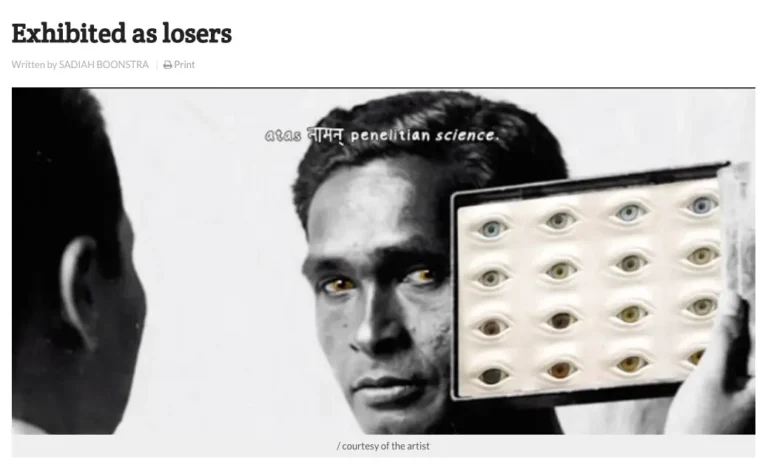
A timelapse video of a sprouting red bean is accompanied by an Indonesian language voiceover delivered in a soft, fairytale voice : ‘This is about how humans are born, live and die returning to soil. And for the unfortunate ones, to be dug up again before their time to be exhibited to the world as the losers,’ says the narrator with more than a hint of sarcasm.

Pooja Nansi Responds to Lim Cheng Hoe

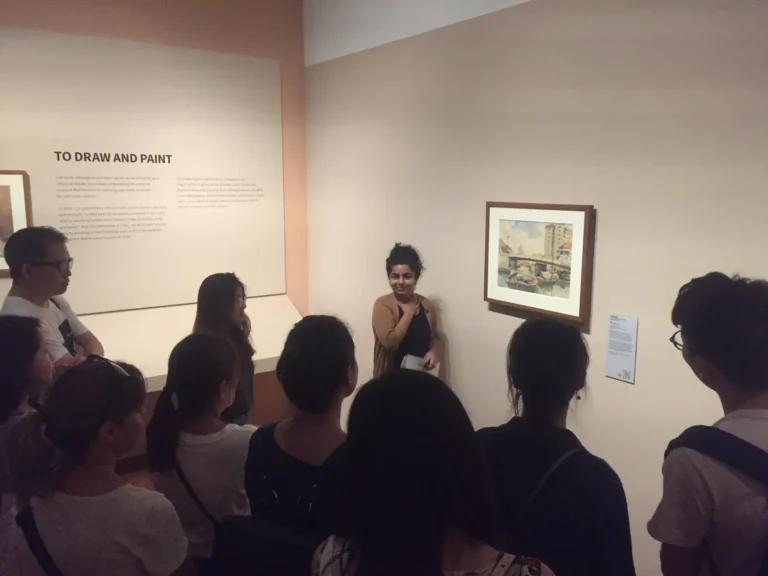
What might a female writer born in 1981 in Baroda, India have in common with a landscape water colourist born in 1912 in Amoy, China? This is the question Singaporean poet Pooja Nansi asked herself when we invited her to create an artistic response to the exhibition Lim Cheng Hoe: Painting Singapore in early 2018.